

New-News-Health & Wellbeing Guide ~ Hearing Health: Why Regular Checkups Are Essential

Health & Wellbeing Guide ~ Hearing Health: Why Regular Checkups Are Essential
Hearing is something most of us take for granted – until we start to notice changes. Whether it’s asking others to repeat themselves, turning up the TV volume, or struggling to follow conversations in a noisy café, gradual hearing loss can affect people of all ages. Just like eyesight or dental care, our hearing deserves regular attention and professional checkups.

Why Hearing Health Matters for Everyone
Good hearing keeps us connected, to our families, our work and the world around us. It plays a key role in language development in children, social engagement in adults, and cognitive health as we age. Untreated hearing issues can lead to frustration, withdrawal, and even mental fatigue from the effort of constantly trying to listen.
Regular hearing checkups help identify problems early, often before they start to noticeably interfere with daily life.
Children and Teens: Building Strong Foundations
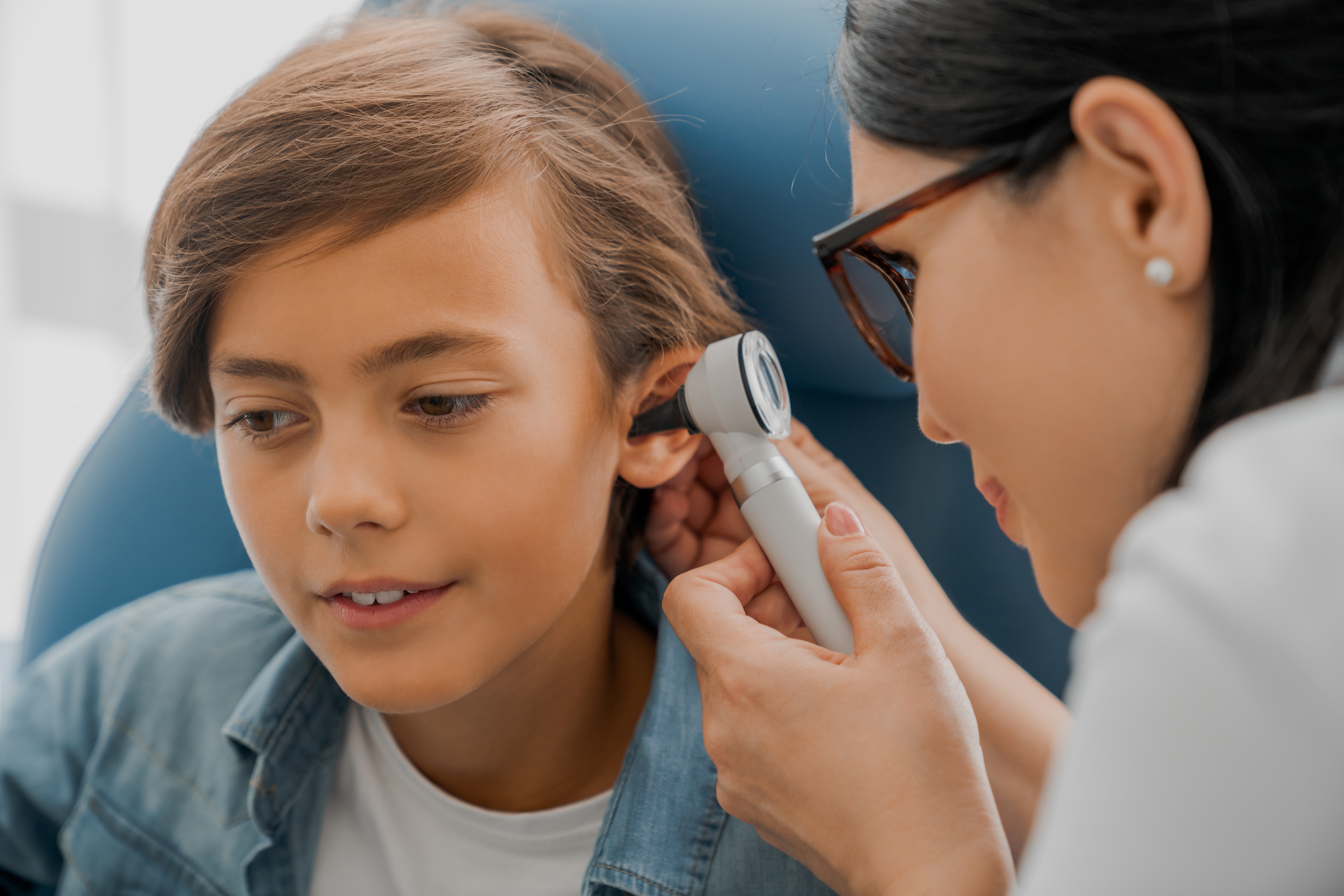
For children, hearing is crucial for learning, speech, and emotional development. Even mild hearing loss can make it difficult to follow lessons at school or communicate confidently with friends. That’s why many experts recommend hearing screenings at key stages of childhood, especially before starting school and during the teenage years.
Signs a child might be struggling to hear include:
• Turning the TV up louder than others prefer
• Not responding when called from another room
• Difficulty following instructions or frequent misunderstandings
• Speaking louder than usual
Early detection can make a world of difference, ensuring children get the right support and avoid long-term effects on learning or confidence.


Adults: Staying Connected and Aware
Many adults delay hearing tests, assuming minor issues are “just part of getting older.” However, gradual hearing loss can begin as early as your 30s or 40s, especially for those exposed to loud noise at work or through headphones and concerts.
Regular hearing checkups can detect subtle changes early, allowing for simple interventions — such as protective habits or assistive devices — before hearing loss becomes significant.
Older Adults: Protecting Quality of Life
For older adults, hearing health is closely linked to overall wellbeing. Studies show untreated hearing loss can increase the risk of cognitive decline and social isolation. Regular hearing checks can help maintain independence, safety, and confidence in social situations.
Modern hearing aids are far more advanced than in the past, smaller, more discreet and designed to adapt automatically to different environments. Seeking professional advice can open doors to a better quality of life and improved communication with loved ones.
Practical Tips for Maintaining Good Hearing Health
• Schedule routine checkups: Just as you would for your eyes or teeth, book hearing tests every couple of years, or sooner if you notice changes.
• Protect your ears: Use ear protection at concerts, while mowing the lawn, or during noisy work.
• Lower the volume: Keep headphone use at safe levels, especially for children and teens.
• Stay aware of medications: Some medications can affect hearing; discuss any concerns with your doctor.
• Encourage open conversation: Talking about hearing health as a family helps remove stigma and ensures everyone gets support if needed.
A Healthy Family Starts with Healthy Hearing
Whether it’s a child’s laughter, a favourite song, or a heartfelt conversation, our hearing helps us experience life’s most meaningful moments. Making hearing checkups a regular part of family healthcare ensures every member — from the youngest to the oldest , stays connected, confident, and engaged.
To find Trades in your area, see our Business Listings: https://familyservicesguide.com.au/services/